
Why Garage Conversions Are Booming in Fort Lauderdale
With rising home prices and a growing need for flexible living space, more Fort Lauderdale homeowners are looking at their garages and seeing untapped potential. Whether you need a home office, a guest suite, a rental unit, or simply more room for a growing family, a garage conversion can be one of the most cost-effective ways to add livable square footage without building an entirely new structure.
But before you start clearing out the toolboxes and holiday decorations, there are some important things to consider. Garage conversions in South Florida come with unique challenges — from building codes and flood zone requirements to humidity control and resale implications. Let's walk through everything you need to know before breaking ground.
Is a Garage Conversion Right for Your Home?
The first question to ask yourself is whether you actually use your garage for its intended purpose. If your car hasn't parked inside in years and the space has become a glorified storage unit, converting it into something functional could dramatically improve your daily life.
Garage conversions work especially well for homeowners who need:
- A private home office or studio — Remote work isn't going anywhere, and a dedicated workspace separate from the main living area can boost productivity and work-life balance.
- An in-law suite or guest quarters — Fort Lauderdale's appeal as a destination means many homeowners regularly host family and friends. A converted garage offers privacy for everyone.
- A rental unit or ADU — Depending on your zoning, a garage conversion could become a legal accessory dwelling unit that generates rental income.
- A playroom, gym, or hobby space — Sometimes you just need more room to live comfortably.
That said, if you rely on covered parking to protect your vehicle from South Florida's intense sun, rain, and hurricane season, losing your garage could be a trade-off worth weighing carefully.
Permits and Zoning: What Fort Lauderdale Requires
This is where many homeowners get tripped up. You cannot simply drywall a garage and call it a bedroom. The City of Fort Lauderdale requires permits for garage conversions, and the work must meet current building codes for habitable space.
Here's what that typically involves:
- Building permits — You'll need permits for structural changes, electrical work, plumbing (if adding a bathroom or kitchenette), and HVAC modifications.
- Zoning compliance — Your property's zoning designation determines what you can and can't do. Some neighborhoods have restrictions on eliminating garage space or adding dwelling units. It's essential to check with the city's planning and zoning department before committing to a design.
- Florida Building Code requirements — Converted garages must meet standards for ceiling height, ventilation, natural light, egress windows, insulation, and fire separation from the main house.
- Flood zone considerations — Many properties in the greater Fort Lauderdale area sit in FEMA-designated flood zones. If yours does, the finished floor elevation of the converted space may need to meet specific requirements, which can affect your project scope and budget.
Working with an experienced local contractor who understands Fort Lauderdale's permitting process can save you weeks of delays and costly mistakes. At Harbor ADU Builders, we handle permit applications and code compliance as part of every project so homeowners don't have to navigate the bureaucracy alone.
Key Design Considerations for South Florida
Converting a garage in Fort Lauderdale isn't quite the same as doing it in a cooler, drier climate. Here are the design factors that matter most in our area:
Climate Control
Garages are typically not insulated or connected to your home's HVAC system. To make the space comfortable year-round, you'll need proper insulation in the walls and ceiling, a dedicated air conditioning solution, and possibly a dehumidifier to manage South Florida's relentless humidity. Moisture control is critical — without it, you're inviting mold and mildew into your new living space.
Flooring
Most garage floors are bare concrete sitting at or near ground level. You'll need to address the flooring situation, which might include leveling the surface, adding a moisture barrier, and installing finished flooring. Luxury vinyl plank and polished concrete are popular choices for garage conversions because they handle humidity well and resist moisture.
The Garage Door Dilemma
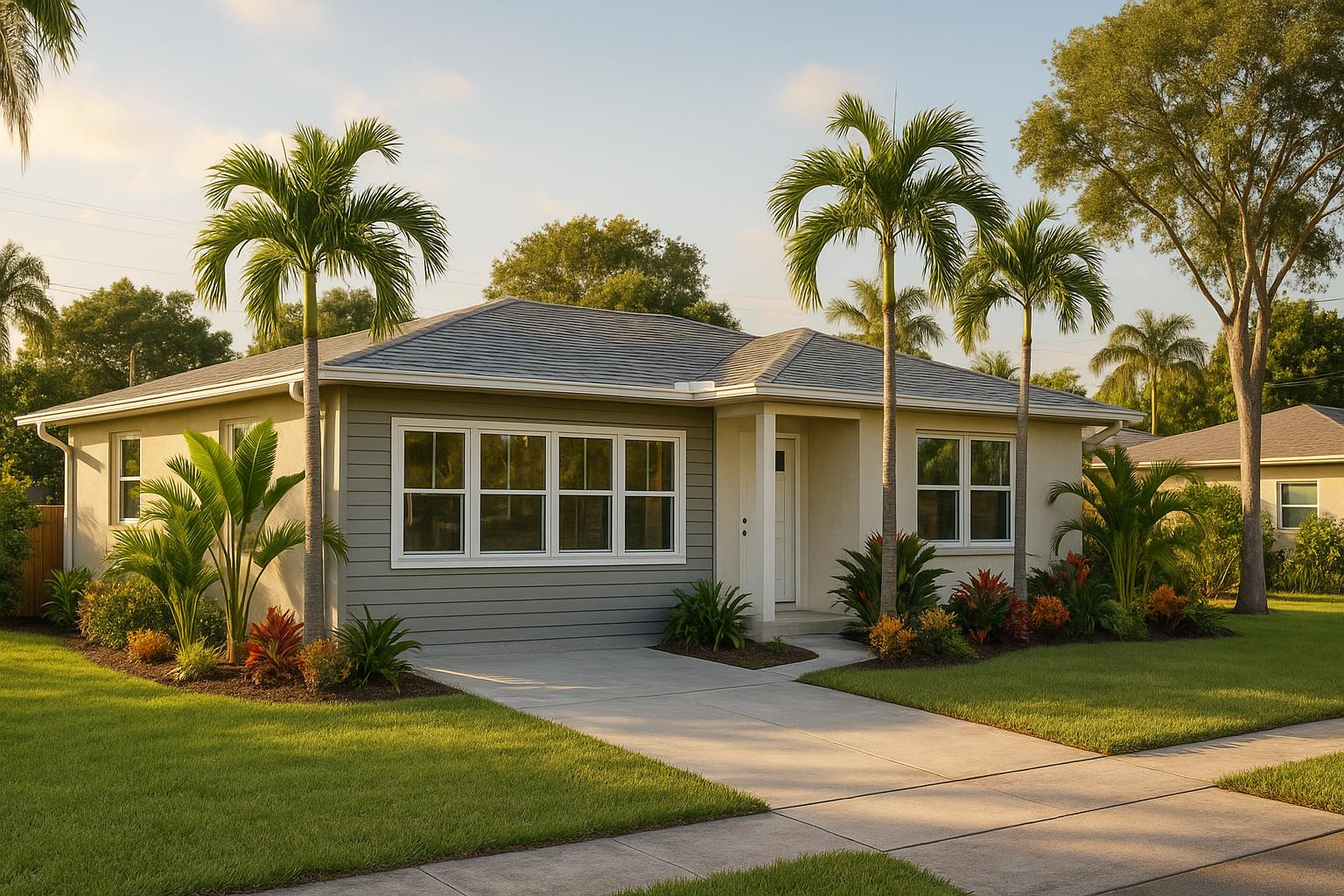
One of the biggest design decisions is what to do with the garage door opening. Most homeowners choose to frame in the opening with a standard wall, windows, or a combination of both. The key is making the conversion look intentional and integrated with the rest of the home's exterior — not like a garage door was simply removed and boarded up. Matching the siding, trim, and window style to the existing house makes a huge difference in curb appeal.
Natural Light and Ventilation
Garages are notoriously dark. Adding windows not only brings in natural light but is also required by code for habitable rooms. Strategically placed windows can make a converted garage feel open and inviting rather than like a cave with drywall.
How Much Does a Garage Conversion Cost?
Costs vary widely depending on the scope of work, but most garage conversions in the Fort Lauderdale area fall between $20,000 and $60,000. A basic conversion — insulation, drywall, flooring, electrical, and HVAC — sits at the lower end. Adding a bathroom, kitchenette, custom cabinetry, or high-end finishes pushes the budget higher.
Compared to building a traditional home addition, a garage conversion is significantly more affordable because the foundation, walls, and roof structure already exist. You're essentially finishing and upgrading an existing shell rather than building from scratch.
What About ROI?
A well-executed garage conversion can recoup 60% to 80% of its cost in added home value, depending on how the space is used and how it's finished. Conversions that add a legal bedroom or a rentable ADU tend to deliver the strongest returns. However, in neighborhoods where covered parking is highly valued, removing a garage could have the opposite effect — another reason to research your specific market before committing.
Common Mistakes to Avoid
Over the years, we've seen homeowners run into avoidable problems with garage conversions. Here are the most common pitfalls:
- Skipping permits — Unpermitted work can lead to fines, forced removal, and serious complications when you try to sell your home.
- Ignoring moisture — South Florida's humidity will find every shortcut. Invest in proper insulation, vapor barriers, and climate control from the start.
- Neglecting the exterior — A conversion that looks like an obvious patch job from the street hurts your home's curb appeal and value.
- Underestimating the budget — Electrical upgrades, plumbing rough-ins, and code-required modifications add up. Get a detailed estimate before starting.
- Not planning for storage — If your garage currently holds tools, bikes, and seasonal items, you'll need a plan for where all of that goes. Built-in storage solutions or an outdoor shed can help.
Ready to Explore a Garage Conversion?
A garage conversion is one of the smartest ways to add functional living space to your Fort Lauderdale home — when it's done right. The key is thoughtful planning, proper permitting, and working with a contractor who understands both the local building codes and the unique demands of South Florida's climate.
At Harbor ADU Builders, we specialize in transforming underused spaces into beautiful, code-compliant rooms that homeowners actually love. Whether you're envisioning a sleek home office, a comfortable guest suite, or a rental-ready ADU, we'll guide you through every step from initial design to final walkthrough. Reach out today to schedule a consultation and find out what's possible with your garage.