
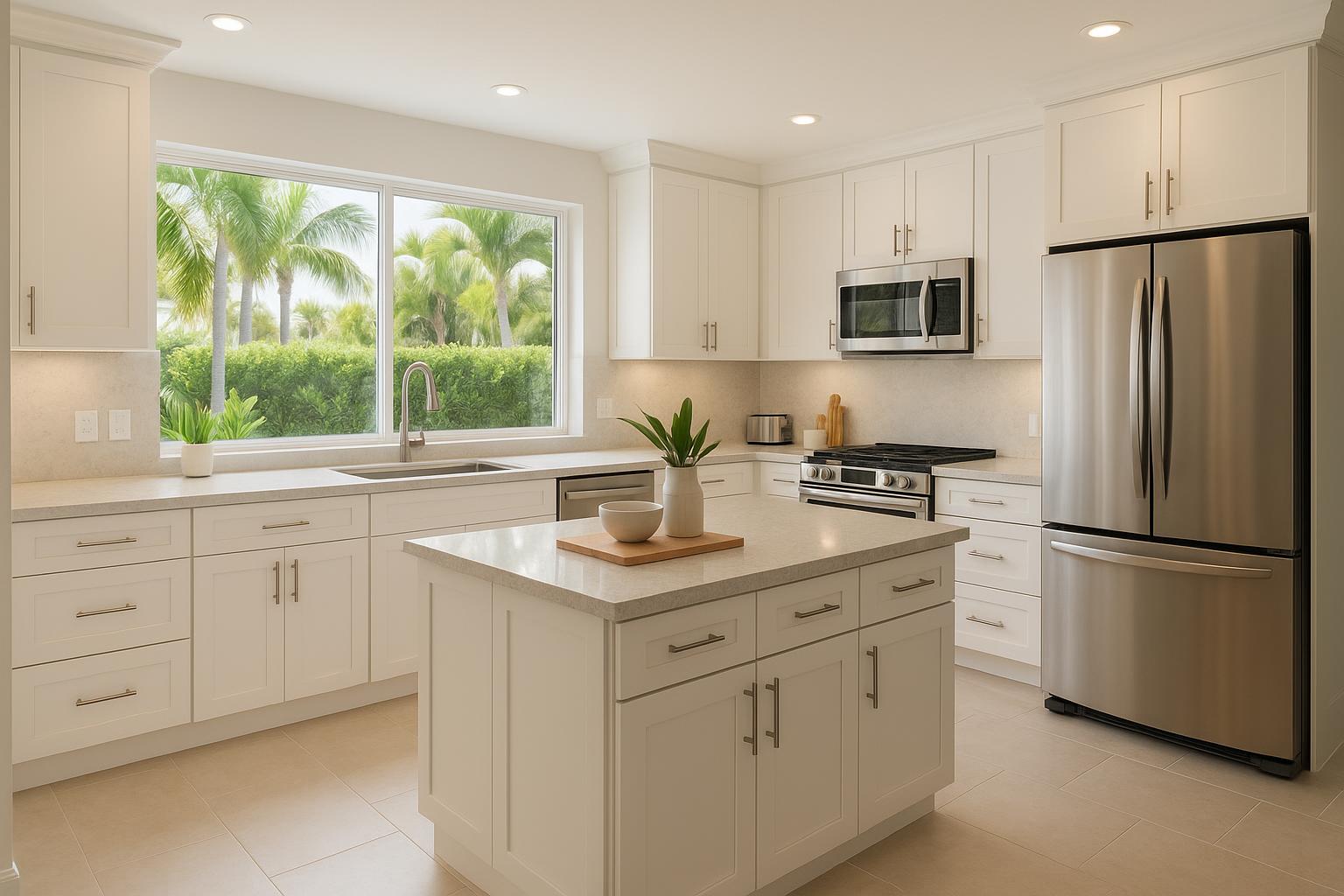
Remodeling in a Flood Zone: What Fort Lauderdale Homeowners Need to Know
If you own a home in Fort Lauderdale, there's a good chance part or all of your property sits in a FEMA-designated flood zone. Between our low elevation, proximity to the coast, and South Florida's intense rainy season, water management isn't just a nice-to-have — it's a critical factor in every remodeling decision you make.
But here's the good news: living in a flood zone doesn't mean you have to settle for bare concrete floors and plastic furniture. With the right planning and materials, you can create a beautiful, functional home that's also resilient. At Harbor ADU Builders, we help homeowners across Fort Lauderdale, Hollywood, Davie, and surrounding areas navigate these exact challenges every day.
Step 1: Understand Your Flood Zone Designation
Before you start picking out tile samples or dreaming about your new kitchen layout, you need to know exactly what flood zone your property falls in. Broward County provides flood zone maps through their online GIS portal, and your insurance agent or local building department can help clarify your designation.
The most common zones in the Fort Lauderdale area include:
- Zone AE: Areas with a 1% annual chance of flooding, with detailed flood elevation data available.
- Zone X (shaded): Moderate flood risk — between the 100-year and 500-year flood levels.
- Zone X (unshaded): Minimal flood risk.
Your flood zone designation affects everything from your insurance premiums to the building permits required for your remodel. In higher-risk zones, substantial improvements — generally defined as work exceeding 50% of your home's market value — may trigger requirements to bring the entire structure up to current flood codes. This is something you absolutely want to know before you start planning.
Step 2: Choose Flood-Resilient Materials
One of the smartest things you can do during a remodel is select materials that can withstand moisture exposure without being destroyed. This doesn't mean sacrificing style. Today's market offers plenty of attractive, durable options that perform well in wet conditions.
Flooring
Traditional hardwood is beautiful, but it warps and buckles when exposed to standing water. Instead, consider these alternatives:
- Luxury vinyl plank (LVP): Waterproof, affordable, and available in designs that convincingly mimic wood and stone.
- Porcelain tile: Extremely durable and naturally water-resistant. A classic choice for Fort Lauderdale homes.
- Polished concrete: Industrial-chic and virtually impervious to water damage.
Cabinetry
Standard particleboard cabinets will swell and disintegrate if they get wet. For kitchens and bathrooms in flood-prone homes, consider marine-grade plywood, solid wood with waterproof finishes, or PVC cabinetry. Custom cabinetry built with flood resilience in mind can look just as refined as any traditional option — and it will last far longer.
Walls and Insulation
If your remodel involves opening up walls, it's worth upgrading to closed-cell spray foam insulation, which resists water absorption. For wall surfaces below your base flood elevation, consider using fiberglass-faced drywall or cement board instead of standard paper-faced drywall, which acts like a sponge during a flood.
Step 3: Elevate Mechanicals and Appliances
During a kitchen or bathroom remodel, you often have the opportunity to relocate or elevate critical systems. This is one of the most cost-effective flood mitigation steps you can take.
- Raise electrical outlets, switches, and panels above your base flood elevation.
- Elevate water heaters, HVAC units, and washers/dryers on platforms or relocate them to higher floors.
- Install backflow prevention valves on your plumbing to keep sewage from backing up into your home during heavy rains.
These upgrades often go unnoticed in daily life, but they can save you tens of thousands of dollars in damage when a storm hits.
Step 4: Work With a Contractor Who Knows Local Codes
Flood zone remodeling in Broward County comes with specific permitting requirements that general contractors from outside the area may not fully understand. Fort Lauderdale's building department enforces Florida Building Code requirements related to flood damage prevention, and failing to comply can result in permit denials, fines, or insurance complications down the road.
When interviewing contractors, ask these questions:
- Have you completed remodels in FEMA flood zones before?
- Are you familiar with Broward County's substantial improvement rules?
- Can you help me select materials rated for flood resistance?
- Will you handle the permitting process, including any elevation certificates that may be needed?
At Harbor ADU Builders, we handle projects throughout Fort Lauderdale, Plantation, Pembroke Pines, and Coral Springs, and we build flood awareness into every project plan from the start. It's not an afterthought — it's part of how we do business in South Florida.
Step 5: Think About Your ADU or Addition Differently
If you're considering building an accessory dwelling unit or adding square footage to your home, flood zone regulations become even more important. New construction in high-risk flood zones typically must have its lowest floor elevated to or above the base flood elevation. This affects foundation design, access points, and overall project costs.
The upside? A properly designed ADU built to current flood standards can actually be more resilient than your main house. It's an opportunity to start fresh with best practices — and it adds real value to your property.
Don't Let Flood Risk Stop You From Improving Your Home
Too many Fort Lauderdale homeowners put off remodeling projects because they're worried about flood risk. The reality is that a well-planned remodel can actually make your home more resilient than it was before. By choosing the right materials, elevating critical systems, and working with a contractor who understands local flood codes, you're not just improving your home's appearance — you're protecting your investment.
Whether you're updating a kitchen, renovating a bathroom, or building a new ADU, Harbor ADU Builders is here to help you make smart, beautiful, flood-conscious decisions. Reach out to us for a free consultation, and let's talk about how to make your remodel work for your home and your neighborhood.